By Christine Stenner, German Attorney in the United States at Stenner Law| Foreign Legal Consultant (PA) | July 25, 2026
Three of my clients received wonderful news from Germany this week. Their applications for re-naturalization as German citizens were approved by the Bundesverwaltungsamt (BVA).
I also receive a steady stream of inquiries from former German citizens who want to regain their German citizenship. Almost every story begins the same way.
They moved to the United States, became lawful permanent residents, and eventually qualified for U.S. citizenship. Becoming a U.S. citizen seemed like the natural next step. Years later, when their German passport expired, they scheduled an appointment at the German Consulate to renew it.
During the appointment, they were asked to present their Green Card or explain their immigration status in the United States. Proudly, they responded that they had become U.S. citizens.
That is when they learned something they never expected.
They had automatically lost their German citizenship.
Why Former Germans Lost Their German Citizenship
Until June 27, 2024, German citizenship law generally prohibited dual citizenship for Germans who voluntarily acquired another nationality.
Anyone who voluntarily became a U.S. citizen without first obtaining a Beibehaltungsgenehmigung (retention permit) automatically lost German citizenship under German law.
This changed in June 2024, when Germany modernized its nationality law and broadly permitted dual citizenship for the first time in its history.
Today, Germans can generally become U.S. citizens without losing their German citizenship.
Unfortunately, this change is not retroactive. If you lost your German citizenship before June 27, 2024, the new law does not automatically restore it.
Why So Many Former Germans Want Their Citizenship Back
Interest in German re-naturalization has increased significantly.
Many former Germans want to regain the benefits of German and European Union citizenship, including:
- The right to live and work in Germany.
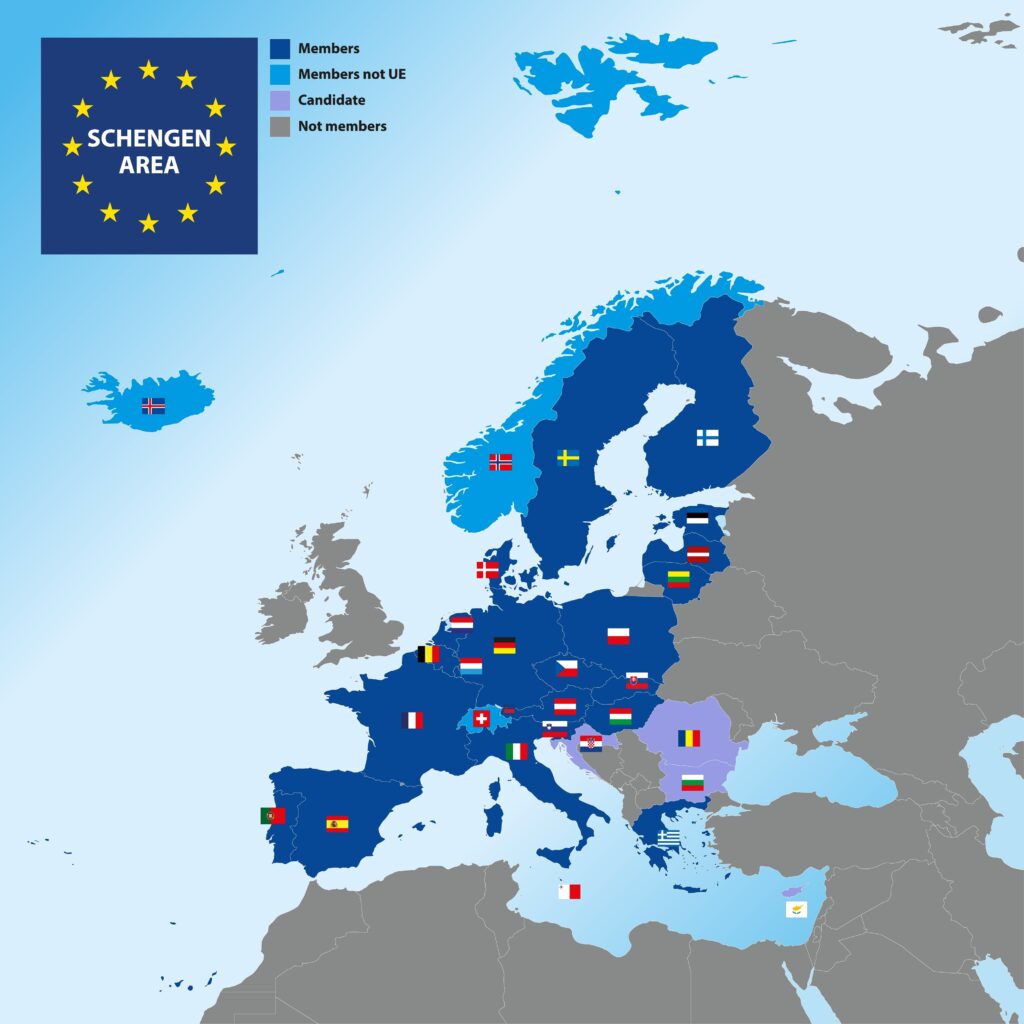
- Freedom of movement throughout all 27 European Union member states.
- Easier retirement options in Europe.
- Educational opportunities for themselves and their children.
- Maintaining family and cultural ties with Germany.
- The ability to pass German citizenship to future generations, where permitted by law.
The Biggest Misconception About Re-naturalization
Many people believe that re-naturalization is simply a matter of filling out the application form provided by the Bundesverwaltungsamt.
Unfortunately, that is not the case.
In fact, I find the application form somewhat misleading because it creates the impression that answering the questions is all that is required.
In reality, the success of an application depends on presenting a legally persuasive case supported by evidence. The Bundesverwaltungsamt exercises discretion when deciding these applications. Simply completing the form rarely addresses the issues that actually determine whether an application will be approved.
What Does the Bundesverwaltungsamt Look For?
Every case is different, but several factors are particularly important.
1. Would You Have Qualified for a Retention Permit?
One of the central questions is whether, at the time you became a U.S. citizen, you likely would have qualified for a Beibehaltungsgenehmigung.
Before 2024, Germany granted retention permits only if applicants had a legitimate reason to acquire another citizenship while maintaining German citizenship.
Examples include:
- Professional disadvantages if you remained only a permanent resident. This often applied to employment opportunities requiring U.S. citizenship, such as positions with federal, state, or local government agencies, government contractors, or certain public school teaching positions.
- Family-related disadvantages caused by not being a U.S. citizen. These reasons must be individual and supported by evidence. For example, an applicant may have faced a custody dispute in which the lack of U.S. citizenship created a legal or practical disadvantage, particularly where the other parent and the children were U.S. citizens. Other qualifying circumstances may involve a concrete risk to parental rights or the ability to remain in the United States with minor children. It is not sufficient that a spouse or child was a U.S. citizen. The applicant must demonstrate how remaining a permanent resident created a specific disadvantage in the applicant’s own family situation.
- Other significant personal or economic disadvantages that made obtaining U.S. citizenship reasonably necessary.
Another important consideration developed through the administrative guidelines used by the Bundesverwaltungsamt.
If someone had already lived in the United States for more than 20 years before becoming a U.S. citizen, the authorities often recognized an increased level of integration into the country of residence (erhöhtes Integrationsinteresse). In many cases, this made the decision to become a U.S. citizen more understandable from Germany’s perspective.
Demonstrating these circumstances requires much more than simply stating them. The evidence and the legal presentation are critical.
2. Do You Still Have Strong Ties to Germany?
The Bundesverwaltungsamt also wants to see that Germany continues to play an important role in your life.
Relevant factors may include:
- Close family members or friends living in Germany.
- Regular visits to Germany.
- Membership in German organizations.
- Cultural involvement.
- Property ownership or other ongoing connections to Germany.
- Knowledge of current political, economic, and social developments in Germany.
The stronger your continuing connection to Germany, the stronger your application is likely to be. This becomes particularly important if you have lived outside Germany for more than 20 years.
3. Do You Meet the General Requirements for Re-naturalization?
Applicants must also satisfy the general requirements applicable to naturalization. Depending on the individual case, this may include demonstrating:
- A commitment to the free democratic constitutional order of the Federal Republic of Germany.
- No serious criminal convictions.
- The ability to support yourself financially without relying on certain public benefits.
- Sufficient German language skills on B1 level, unless an exception applies.
The Bundesverwaltungsamt evaluates the overall circumstances of each applicant rather than relying on a single factor.
A Successful Re-naturalization Application Is More Than a Form
The application form itself is only one piece of the process.
The legal argument, supporting documentation, and presentation of the facts often determine whether the Bundesverwaltungsamt exercises its discretion in your favor.
A well-prepared application explains not only what happened, but also why German law supports granting re-naturalization in your specific circumstances. It anticipates the questions the Bundesverwaltungsamt is likely to ask and provides the evidence necessary to answer them.
This is one of the reasons why many self-prepared applications are unsuccessful.
Do You Qualify for Re-naturalization as a German Citizen?
If you became a U.S. citizen before June 27, 2024, and lost your German citizenship as a result, you may still have a path back.
However, re-naturalization is not automatic, and every case requires an individual legal assessment.
At Stenner Law, we focus on preparing strategically developed re-naturalization applications that address the issues the Bundesverwaltungsamt actually considers when exercising its discretion. Our goal is not simply to submit an application, but to maximize the likelihood of a successful outcome.
To make the best use of everyone’s time, we invite only those individuals to schedule a consultation who appear to meet the basic legal requirements for re-naturalization.
If you are interested in regaining your German citizenship, please send us an email describing your circumstances, including:
- When you became a U.S. citizen.
- Why you decided to naturalize.
- How long you have lived in the United States.
- Your current ties to Germany.
You can reach us at office@stennerlaw.com.
We will review the information and let you know whether your case appears to meet the basic requirements for a consultation with me.
About the author
Christine Stenner is a German attorney with 30 years of experience. She is admitted to practice German law in the United States and focuses exclusively on German citizenship law for clients living in the United States. At STENNER LAW, she assists applicants with restoring or reclaiming German citizenship through declaration, re-naturalization, and restitution-based applications.