Your Citizenship Status Could Change Everything
By Christine Stenner, German Attorney in the United States at Stenner Law| Foreign Legal Consultant (PA) | May 22, 2026
For the first time since 2021, more people moved from the United States to Germany than the other way around. Germany’s Federal Statistical Office (Destatis) reports that approximately 19,300 people relocated from the US to Germany in the first three quarters of 2025 — a 3.4% increase year over year. In the same period, migration in the opposite direction fell by 17.8%. (Source: Destatis)
For Americans without German roots, this means navigating Germany’s immigration system. For Americans with German ancestry, the question is fundamentally different: you may already be entitled to German citizenship, and that changes the entire equation.
How Many Americans Are Moving to Germany? The 2025 Numbers
Germany now has approximately 125,800 US citizens living within its borders — a 29% increase over the past decade.
What is driving the trend? Healthcare costs, education, political uncertainty, and the search for stability consistently rank at the top of surveys among Americans living or planning to live abroad. For families with school-age children, Germany’s tuition-free universities and strong international schools are a significant pull. For professionals, Germany’s statutory paid leave and parental leave programs look very different when compared against US out-of-pocket costs for healthcare and childcare.
For Americans with German roots, there is one more factor: many of them are not moving to a foreign country. They are going home.
German Citizenship vs. a Residence Permit: Two Very Different Legal Situations
Americans moving to Germany generally enter on one of three tracks: the EU Blue Card (for qualified professionals earning above €50,700 in 2026), the new Chancenkarte (Opportunity Card, effective March 2026, allowing skilled workers to enter for up to one year to seek employment), or a standard residence permit.
These are immigration pathways. They grant the right to live and work in Germany under specific conditions, subject to renewal and to compliance with residency requirements. They are not citizenship.
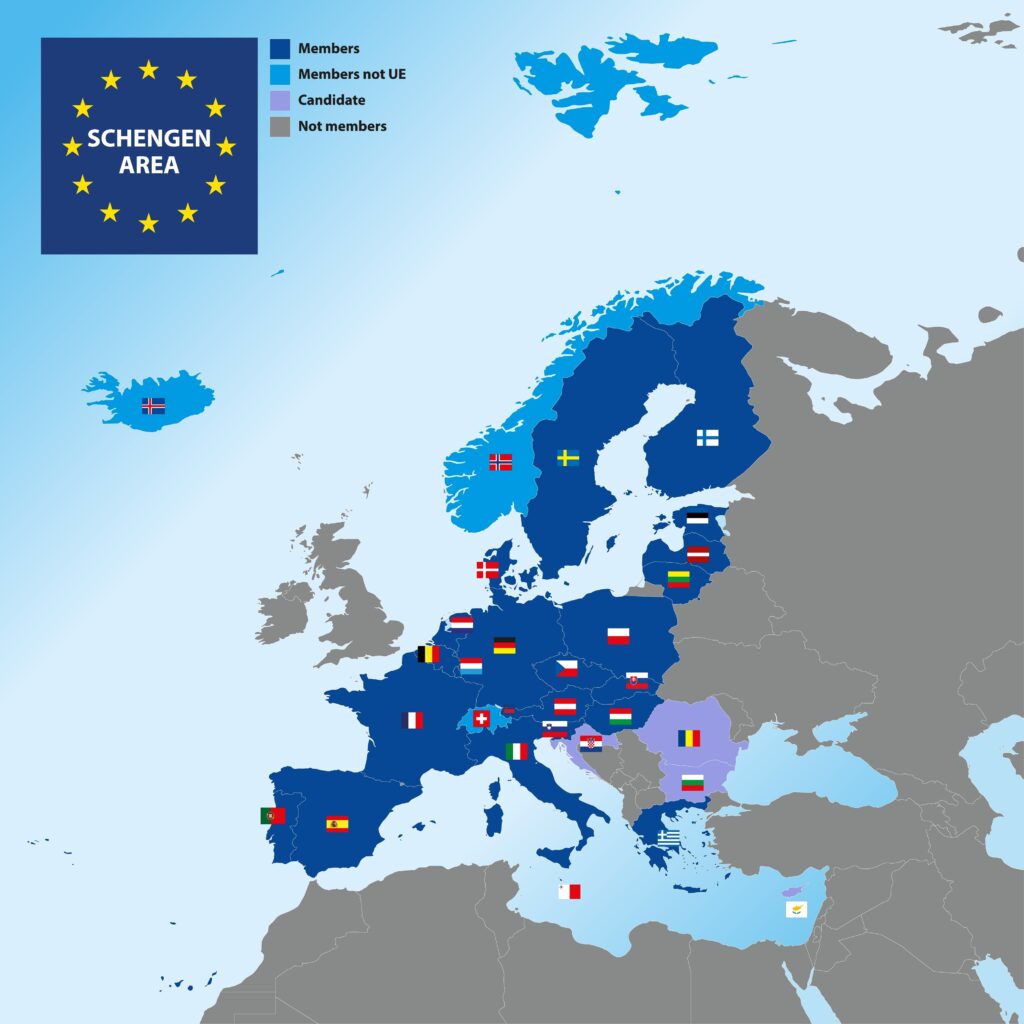
German citizenship is a different legal status entirely. A German citizen has the permanent, unconditional right to live, work, and vote in Germany. More importantly, German citizenship is European Union citizenship — the right to live and work in any of the 27 EU member states, access to EU social protections and educational systems, consular protection across the globe, and political participation at the European level.
For Americans with German roots considering a long-term or permanent move, the first question should not be which visa to apply for. It should be: do I already have a right to German citizenship?
Can Americans Have Dual US and German Citizenship?
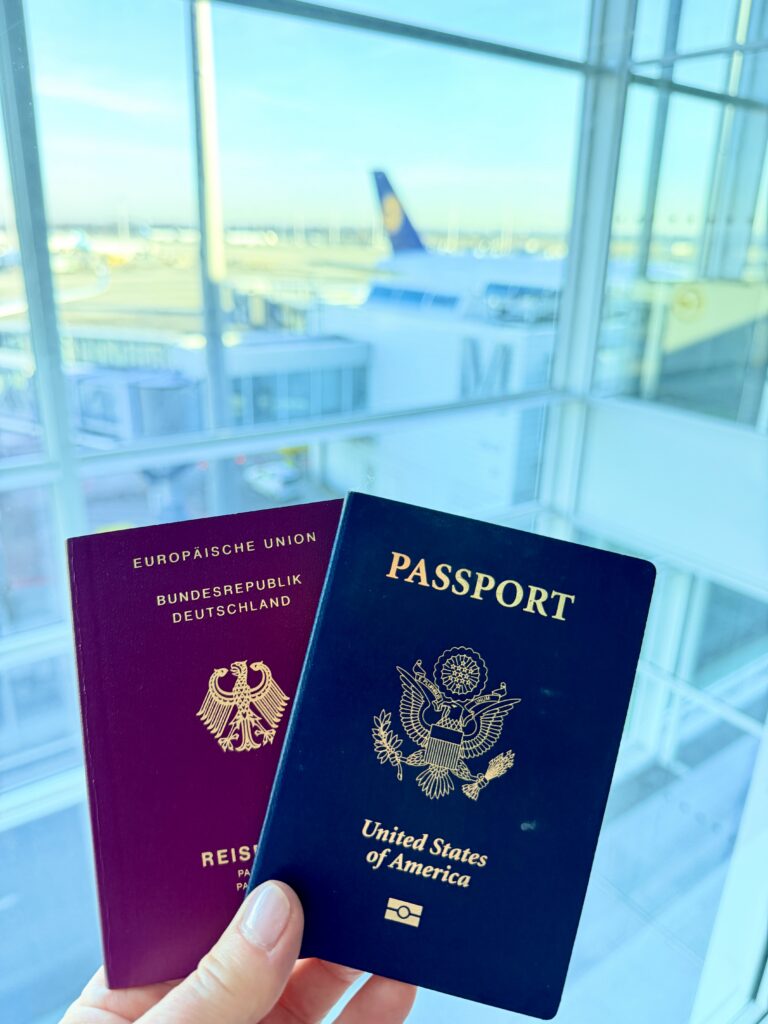
Yes — and this is one of the most significant changes in German law in recent years. The German Citizenship Act (Staatsangehörigkeitsgesetz) was reformed effective June 27, 2024. Under the new law, dual citizenship is now the default for naturalizations. German citizens who acquire foreign nationality no longer need a retention permit to keep their German citizenship, and those naturalizing as Germans no longer need to give up their existing passport.
This matters directly for Americans. Under the previous framework, many Americans who had a path to German citizenship did not pursue it because they did not want to lose their US passport. That barrier no longer exists.
You can hold both. And if you have German ancestry, determining whether you already hold German citizenship by operation of law may be the most important legal question you answer before your move.
See if you qualify and fill out our short survey
TAKE THE SURVEY
About the author
Christine Stenner is a German attorney with 30 years of experience. She is admitted to practice German law in the United States and focuses exclusively on German citizenship law for clients living in the United States. At STENNER LAW, she assists applicants with restoring or reclaiming German citizenship through declaration, re-naturalization, and restitution-based applications.