
By Christine Stenner, German Attorney at Stenner Law| Foreign Legal Consultant (PA) | March 25, 2026
A growing trend is leading U.S. citizens to consider life abroad, and for some, German citizenship may offer a direct path to live and work across Europe.
More Americans are looking beyond the United States in record numbers. A recent Wall Street Journal article highlights a growing interest in moving abroad, driven not by fantasy, but by practical concerns and long term planning.
For many Americans, Europe is at the center of that search, especially countries such as Germany, Portugal, and Spain. Rising living costs in the United States, political stress, and the desire for greater stability are leading more people to ask what life could look like somewhere else.
This trend is not limited to retirees or the wealthy. Professionals, families, remote workers, and younger adults are all part of it. More Americans are looking for a place where they can build a secure future with better quality of life, lower costs, and more long term opportunity.
Germany stands out in this discussion for one important reason. For some Americans, moving to Germany may not depend on a visa at all. They may already have a legal path through German citizenship by descent or through German citizenship restoration based on family history.
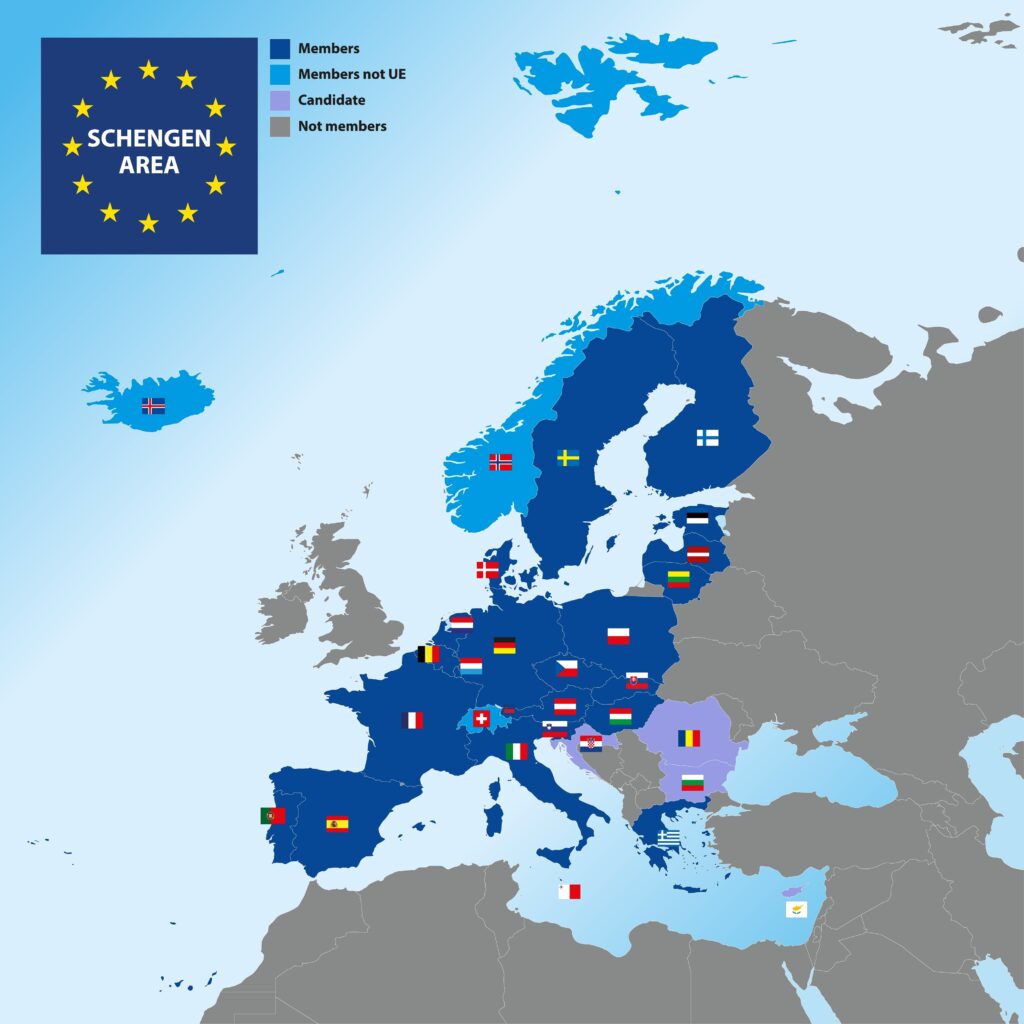
That distinction matters. If a person qualifies for German citizenship by descent or through a restoration pathway, the move to Europe changes significantly. Unlike a visa based process, there is generally no language requirement and no prior residency requirement for these citizenship pathways. A German passport is also a European passport. It gives a person the right to live and work not only in Germany, but across all 27 countries of the European Union.
This is why German dual citizenship has become part of a larger life strategy for many Americans with German roots. It is not only about reconnecting with family history. It is also about creating real options for the future. For some, that means the ability to move to Germany. For others, it means access to the European Union as a whole.
At a time when more Americans are considering a move abroad, the key question is no longer only where they want to live. It is whether they may already qualify for German citizenship and already have the legal right to build a life in Europe.
A careful review of ancestry, family records, prior citizenship loss, and available documentation can make the difference between a vague idea and a real legal option.
How STENNER LAW Helps
STENNER LAW helps you gather the necessary documents, prepares your application, files it on your behalf, and handles communication with the Bundesverwaltungsamt. Many families do not have a complete set of records at the outset, and legal guidance can make the process more efficient and organized.
About the author
Christine Stenner is a German attorney with 30 years of experience. She is admitted to practice German law in the United States and focuses exclusively on German citizenship law for clients living abroad. At STENNER LAW, she assists applicants with restoring or reclaiming German citizenship through declaration, re-naturalization, and restitution-based applications.