
Is Your German Heritage a Path to Citizenship? Understanding Modern Restoration Laws
By Christine Stenner, Attorney (Germany) at Stenner Law| Foreign Legal Consultant (PA) | January 4, 2026
German-American history is deeply woven into the fabric of the United States. According to the U.S. Census Bureau, approximately 41 million people in the U.S. claim German roots, making it the nation’s most frequently reported ancestry.
However, at Stenner Law, we often remind our clients that there is a significant difference between cultural heritage and legal eligibility for a German passport. German citizenship is not granted by DNA or ancestry labels alone; it is a strictly defined legal status. Currently, two of the largest groups eligible for German citizenship are those seeking to correct historical injustices: descendants of those who fled Nazi persecution and the children of German mothers affected by former gender discrimination.
- Restoration for Descendants of Nazi Persecution
Between 1933 and 1945, the Nazi regime deprived thousands of individuals—primarily Jews—of their German citizenship on political, racial, or religious grounds. Modern German law (Article 116 of the Basic Law and Section 15 of the Nationality Act) seeks to restore these rights to those individuals and their descendants.
- The Scope: Research indicates that roughly 110,000 to 132,000 Jewish refugees from Nazi-occupied territories settled in the United States.
- The Potential: Across several generations, we estimate there are hundreds of thousands of U.S.-based descendants today who may have a valid legal claim to restoration. Reclaiming citizenship is a formal recognition of historical injustice and a restoration of rights that were taken away.
- Overcoming Gender Discrimination: The “1949–1975” Group
Historically, German nationality law was patriarchal. For decades, German women married to non-German citizens were prevented from passing their citizenship to their children—a right that German men always enjoyed.
A recent landmark reform (Section 5 StAG) has opened a 10-year window specifically for the children of these women to “declare” their citizenship.
Who is eligible for German Citizenship by Declaration?
The legally relevant group consists of the children (and their descendants) of German women who:
- Were German citizens at the time of the child’s birth. (Crucially: The mother must not have naturalized as a U.S. citizen before the child was born).
- Gave birth on or after May 23, 1949.
- Were married to a foreigner, for instance a U.S. national.
Based on postwar immigration data, we estimate there are approximately 814,000 children of German immigrant women who may be eligible to claim the citizenship they were previously denied — not counted their descendants who are eligible as well.
The Benefits: A Legacy Beyond Ancestry
German citizenship is European Union (EU) citizenship, offering a level of flexibility and security that a U.S. passport alone cannot provide.
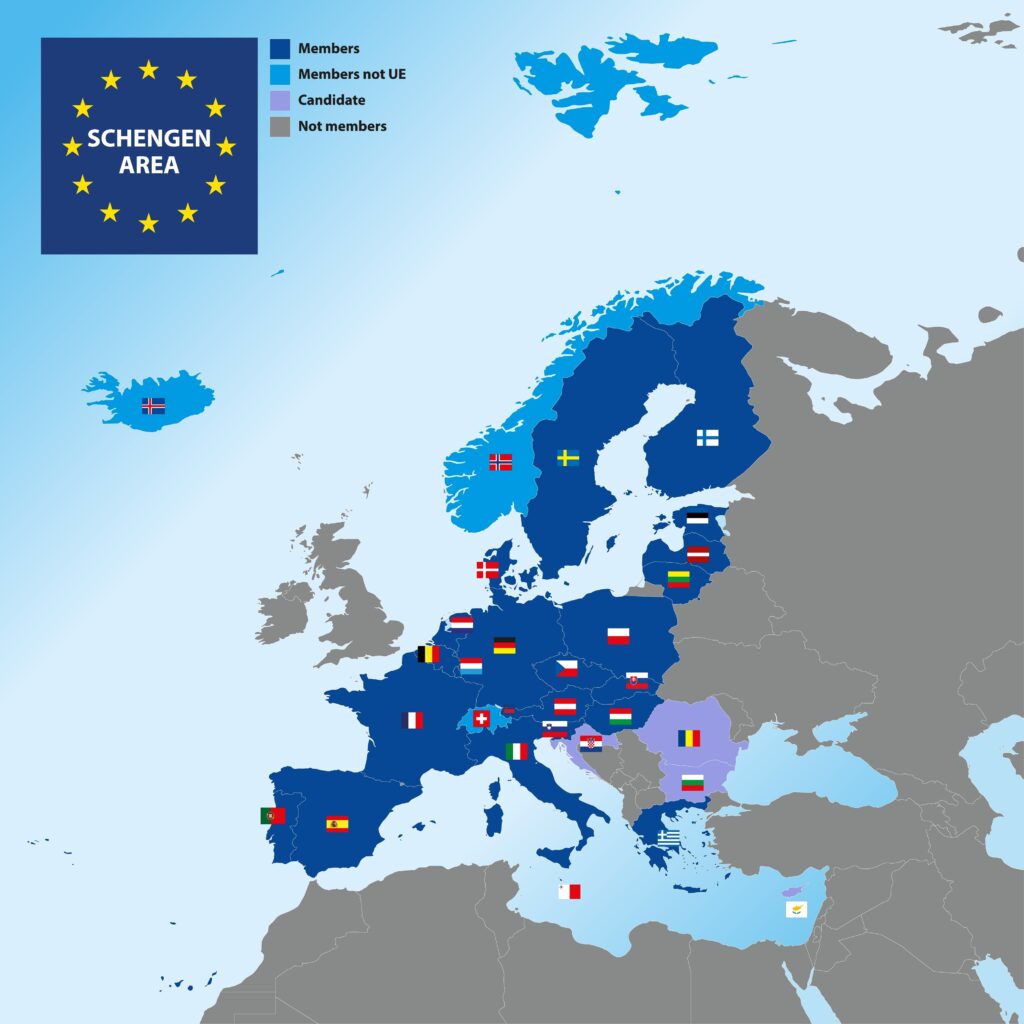
- Unrestricted Freedom of Movement: You gain the right to live, work, study, and retire in all 27 EU member states.
- World-Class Education: Access to universities across Europe often comes with significantly lower tuition than in the United States.
- Stability Over “Golden Visas”: Unlike investment-based residency programs that cost hundreds of thousands of dollars and change frequently, citizenship by descent is a permanent legal right. It is not something you buy; it is something you may already own.
- Historical Justice: For many families, this is about creating a long-term legacy—restoring rights that were taken by the Nazi era or correcting decades of gender-based exclusion.
Why You Should Act Now
While 41 million Americans have German roots, eligibility is a “paper trail” process. Success depends on proving citizenship status at the time of birth, marital history, and an uninterrupted legal lineage.
For those eligible through the gender discrimination remedy, the clock is ticking: this window closes on August 19, 2031. Would you like Stenner Law to perform an initial assessment of your family’s eligibility based on your historical documents?
About the author
Christine Stenner is a German attorney with 25+years of experience. She is admitted to practice German law in the United States and focuses exclusively on German citizenship law for clients in teh United States. At STENNER LAW, she assists applicants with restoring or reclaiming German citizenship through declaration, re-naturalization, and restitution-based applications.